protein

protein

Why Protein Matter More Than You think

Why Protein Is More Important Than You May Imagine With good reason, protein is frequently referred to as the building block of life.””best protein powder is an essential supplement for fitness enthusiasts who want to build strength and recover faster..” It has far more of an impact on your general health than just muscular growth. Knowing the value of protein can alter your perspective on nutrition, regardless of whether you’re an athlete, a busy professional, or just trying to live a better lifestyle. Why is protein important and what is it? Along with fats and carbs, protein is one of the three primary macronutrients that your body need in significant quantities. Protein has a special purpose in contrast to carbohydrates and fats: it creates vital enzymes and hormones, maintains immunological function, and builds and repairs tissues. Protein is the building block of muscles. Whether you’re lifting weights or running, exercise rips your muscles in little ways. Protein helps rebuild and repair these fibres, strengthening them. Protein is therefore crucial for athletes, fitness enthusiasts, and even people recuperating from illnesses. The Function of Proteins in Brain Function and Mental Health Protein supports your brain in addition to your body. Neurotransmitters like dopamine and serotonin, which control mood, concentration, and sleep, are made from the amino acids found in protein. A diet high in protein can help you focus better, feel less stressed, and have steady energy levels all day. Protein Strengthens Your Immune System Your immune system relies on protein to create antibodies that fight infections. Without enough protein, your body becomes more vulnerable to illness and slower to heal from injuries Balance of Hormones and Protein The body uses hormones as chemical messengers, and many of them are derived from proteins. Protein is essential for thyroid hormones, growth hormones, and insulin. Protein deficiencies can cause imbalances that impact mood, energy, and weight. Protein Increases Metabolism and Helps Control Weight Because protein has a high “thermic effect,” digesting it causes your body to burn more calories than digesting fats or carbohydrates. Meals high in protein help you control your weight, curb cravings, and feel fuller for longer. 🩸 Protein Supports Strong Skin, Hair, and Nails Dietary protein is necessary for the production of keratin, collagen, and elastin—the proteins that give skin its radiance, hair strength, and nails. For this reason, diets high in protein are frequently associated with younger appearances and improved skin healing. What Is Your Actual Protein Requirement? For inactive persons, 0.8 grammes per kilogramme of body weight is the standard recommended. Athletes, active people, and people recuperating from illness, however, can require 1.2–2.0 grammes per kilogramme. For instance, depending on their level of activity, a 70 kg person may require 56 g to 140 g of protein daily. Image Suggestion: An infographic chart that breaks out daily protein requirements by lifestyle (athlete, active, and sedentary). Easy Foods to Include in Your Diet That Are High in Protein Here are a few simple strategies to eat more protein: Protein oats, Greek yoghurt, and eggs for breakfast Lunch consists of lentil soup and grilled chicken salad. Snacks: roasted chickpeas, cottage cheese, and protein bars Supper will be stir-fried tofu and salmon with quinoa. What Occurs If You Don’t Consume Enough Protein? Consuming too little protein might result in: Weakness and exhaustion of muscles Reduced immunity Dull skin, brittle nails, and hair loss slower rate of injury recovery Weight gain and increased appetite Photo Suggestion: A before/after image that contrasts a strong and weak body with labels such as “Healthy Protein Intake” and “Low Protein.” 🔍 Typical Protein Myths Myth: Bodybuilders are the only ones who need protein.Fact: Regardless of lifestyle, everyone needs protein. Myth: Plant proteins don’t work.Fact: When properly combined, plant proteins can be complete. Myth: The kidneys are harmed by too much protein.Fact: Moderate to high protein intake is safe for healthy people. A myth vs. fact infographic including icons is a suggested image. ugh protein helps seniors keep their strength, mobility, and independence by slowing this decline. Additionally, recent research indicates that diets high in protein may extend life expectancy and guard against age-related illnesses. Protein Sources: Plant vs. Animal Not every source of protein is created equal. Dairy products, beef, fish, poultry, and eggs are examples of animal-based foods that contain all the essential amino acids. Plant-based: Quinoa, beans, lentils, soy, nuts, and seeds (excellent for vegetarians and vegans, though some may require mixing to provide all the amino acids). Conclusion: Why Protein Truly Matters Protein is much more than a “muscle builder.” It supports your immunity, metabolism, hormones, brain, skin, hair, and long-term health. Ignoring protein is like ignoring the foundation of your body. By prioritizing high-quality protein sources daily, you’ll not only feel stronger but also improve your overall well-being and longevity.
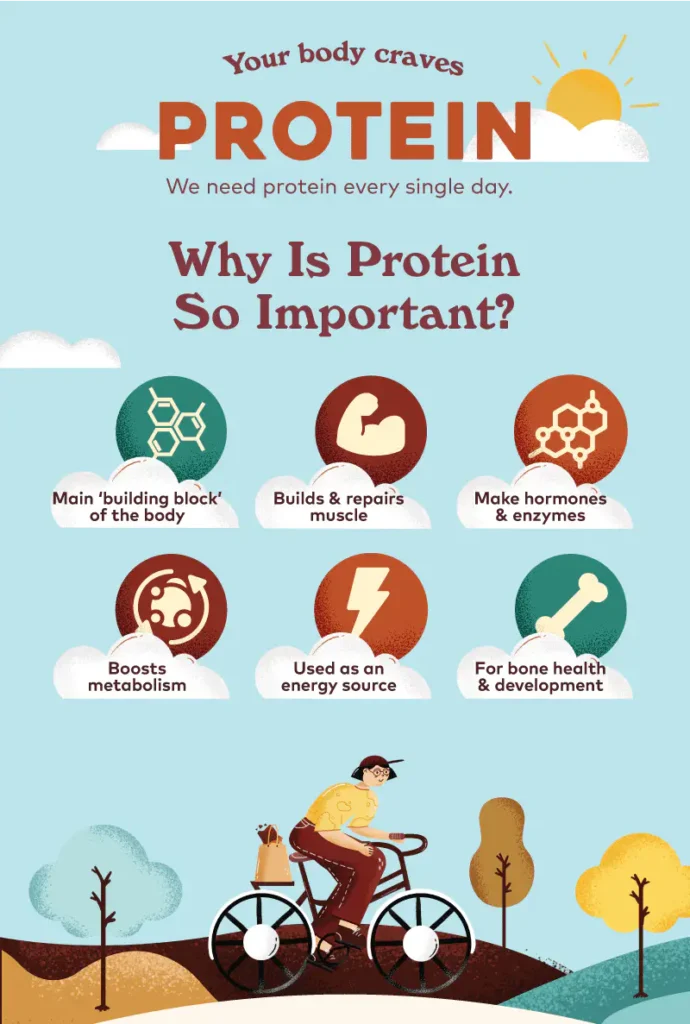
this shows why protein is essential
protein

Why Protein is essential

  “Benefit of protein in daily diet” what is protein? Protein and weight management Protein and weight management Functions Of Protein In The Body Protein Requirements For Strength Training The Best Time To Consume Protein Protein Needs At Different Life Stages Risks Of Protein Deficiency Protein Supplements For The Gym Common Protein Mistakes Made By Gym Enthusiasts Ignoring the protein is also wrong. Can Too Much Protein Be Dangerous? Risks Of Consuming less or more protein. Conclusion   Protein is one of the most vital nutrients for human survival and well-being. Understanding more about protein can help you make informed choices about your diet, whether you’re an athlete aiming to build strength or a student looking to maintain fitness. “many beginners often wonder why protein is essential for gym progress, strength and recovery. “Benefit of protein in daily diet”   Protein is a complex, naturally occurring substance found in all living organisms. It is made up of long chains of amino acids, and each protein has a unique three-dimensional shape that determines its specific function. “Protein is one of the nutrients that’s why protein is essential for survival and growth. The Role of Protein In The Body “why protein is essential for performance, growth etc.” 2. Protein and weight management Diets rich in protein can increase feelings of fullness, helping you stay satisfied for longer and avoid overeating. Studies also suggest that protein can boost metabolism and reduce the urge to eat excessively. Protein And Hormones And Immune System Protein is used to make important hormones, such as insulin, which helps regulate blood sugar levels. It also plays a vital role in producing antibodies that help the body fight off infections. How Much Protein Do You Need If You Exercise? However, people who are in the gym may need more because their bodies require additional support for recovery and performance. 3. Protein and weight management “One of the reason why protein is essential “Structural proteins, like collagen and keratin, provide stability to tissues such as skin, hair, and nails. Transport proteins, such as haemoglobin and transferrin, help move oxygen and iron through the body. Storage proteins like casein and ferritin help store essential nutrients such as iron and amino acids. 4. Functions Of Protein In The Body Protein is necessary for repairing and building muscle tissue, especially after injury or exercise. This is why athletes and gym-goers often consume more protein.”Most of the athlete know why protein is essential in their daily need” Proteins are also crucial for forming enzymes, which are essential for controlling the chemical reactions that occur in the body. This tells why protein is important for Fat loss as well as lean muscle. Without enzymes, we would not be able to digest food or produce energy. Protein helps regulate hormones, such as growth hormone and insulin, which control growth, blood sugar, and metabolism. It also plays a vital role in immune function by helping the body create antibodies to fight against diseases. Proteins assist in transporting and storing important nutrients and minerals within the body. 5. Protein Requirements For Strength Training Bodybuilders and weightlifters typically need 1.6–2.2 grams of protein per kilogram of body weight. For example, an 80 kg individual might require 128–176 grams of protein per day. 6. The Best Time To Consume Protein Consuming a protein before within 30-60 minutes and boosts recovery and muscle building. Consuming protein after a workout is good for recovery and building muscles. The intake is of 20-40 grams before the post workout. Consuming protein before bed, such as https://en.wikipedia.org/asein, provides a steady release of amino acids during sleep, supporting muscle repair. 7. Protein Needs At Different Life Stages Children and teenagers need protein for healthy growth and development. Pregnant women require adequate protein to support the development of the baby’s organs and tissues. The elderly benefit from protein to prevent muscle loss, a condition known as sarcopenia. Protein also plays a key role in the recovery process for individuals who are ill or recovering from surgery. 8. Risks Of Protein Deficiency A diet low in protein can lead to several health issues including muscle weakness, slower wound healing, weakened immunity, brittle hair and nails, fatigue, and difficulty concentrating. Severe protein deficiency can result in conditions like kwashiorkor, which is a serious form of malnutrition commonly found in developing countries. 9. Protein Supplements For The Gym Whey protein is a fast-digesting protein that is highly beneficial for post-workout recovery. Casein protein, which digests slowly, is ideal for consumption before bed as it provides a steady release of amino acids. Plant-based protein powders, such as soy protein, are great alternatives for those following a vegan or lactose-free diet. 10. Common Protein Mistakes Made By Gym Enthusiasts Consuming too much protein is a common mistake. While protein is important, excess intake does not necessarily lead to more muscle gain and can lead to weight gain. Ignoring the timings of protein intake. Distributing protein consumption throughout the day is more effective than consuming it all at once. 11. Ignoring the protein is also wrong.. Choosing high-quality protein helps with recovery and muscle growth. Implications Of Protein Insufficiency Insufficient protein can lead to weakness and muscle loss, as the body may break down muscle to obtain the necessary proteins. A weakened immune system due to low protein levels can increase the risk of infections. Wound healing is also delayed without enough protein.” Protein deficiency can also lead to issues with hair, skin, and nails, such as brittle hair, weak nails, and poor skin health. Severe protein deficiency can result in serious conditions such as kwashiorkor and marasmus, especially in children. 12. Can Too Much Protein Be Dangerous? Although protein is beneficial, consuming excessive amounts can put extra strain on the kidneys and liver, especially in individuals with pre-existing health conditions. “importance of protein for gym” “protein for muscle building” A high-protein diet that neglects other food groups can also lead to nutrient imbalances, dehydration, and digestive issues. The  balanced diet which

Scroll to Top